
Imagine you have 100,000 units of merchandise sitting in a warehouse, and you need to sell them without spending thousands of dollars on advertising. Perhaps you purchased a large wholesale liquidation lot, acquired excess inventory from a retailer, or need to move products before closing a business. Whatever the reason, finding enough buyers to move that much merchandise can seem like an overwhelming challenge.
The good news is that you do not necessarily need an expensive advertising campaign to sell large quantities of inventory. With the right approach, you can connect with wholesale distributors, discount retailers, dollar stores, exporters, online resellers, and other businesses that already purchase merchandise in bulk.
The key is to stop thinking about selling 100,000 individual products and start thinking about finding the right buyers for large quantities. Instead of attracting thousands of individual consumers, your goal is to identify businesses that can purchase hundreds, thousands, or even tens of thousands of units in a single transaction.
Here are several practical ways to find those buyers while keeping your marketing expenses under control.
1. Target Wholesale Buyers Instead of Individual Consumers
One of the biggest mistakes businesses make when trying to liquidate a large inventory is approaching the merchandise as if every unit must be sold separately.
If you have 100,000 units, selling each product individually could require thousands of customer interactions, product listings, shipments, and customer service requests. Depending on the merchandise, that approach could take months or even years.
Wholesale selling offers a different strategy.
Suppose your inventory consists of 100,000 units of household products. Instead of selling one unit at a time, you could offer quantities of 500, 1,000, 5,000, or 10,000 units to qualified buyers.
Your potential customers might include:
- Wholesale distributors supplying independent retailers.
- Dollar stores and discount retail chains.
- Regional closeout merchandise buyers.
- Exporters purchasing products for overseas markets.
- Online resellers who specialize in bulk inventory.
- Flea market vendors and bargain store operators.
- Ecommerce businesses looking for affordable inventory.
- Retailers that need to replenish high-volume product categories.
The advantage is simple: a handful of substantial orders may move a significant portion of your inventory without requiring you to reach tens of thousands of individual shoppers.
Before contacting buyers, calculate your minimum acceptable price, identify the quantities you can offer, and determine whether you can accommodate multiple shipments or need to sell the entire lot at once.
2. Contact Discount Stores and Dollar Store Operators Directly
Discount retailers are often worth approaching when your merchandise includes affordable consumer products that can be sold at attractive retail prices.
Depending on the inventory, suitable products might include household goods, personal care items, toys, seasonal merchandise, clothing, accessories, kitchen supplies, and general merchandise.
Rather than immediately purchasing advertising, create a list of potential retailers and contact them directly.
Start with independent discount stores, regional chains, dollar stores, bargain outlets, and retailers operating multiple locations. Smaller businesses may have shorter purchasing processes than large national chains, while larger operators may have the capacity to absorb greater quantities.
Your initial message should explain exactly what you have available, how much merchandise is included, what condition it is in, and what price you are asking.
For example, a seller with 100,000 units of brand-new household products could offer a quantity-based deal that allows buyers to purchase 2,000, 5,000, or 10,000 units, subject to availability.
Make it easy for buyers to evaluate the opportunity by including clear product photographs, case-pack information, UPCs when available, and a detailed inventory manifest.
The objective is not to persuade every retailer to buy. It is to find the businesses whose customers, pricing structure, and inventory needs match your products.
3. Use Wholesale and Liquidation Marketplaces
Online wholesale marketplaces can help sellers reach buyers who are already searching for bulk merchandise. These platforms can provide access to retailers, distributors, resellers, and liquidation businesses without requiring you to build an audience from scratch.
You can also explore wholesale and liquidation opportunities through CloseoutExplosion, which serves business buyers interested in discounted merchandise and bulk inventory.
When evaluating any marketplace, investigate its seller requirements, fees, audience, listing options, and policies before committing money. Some platforms charge listing or transaction fees, while others may require subscriptions or impose restrictions on the types of products that can be sold.
A strong wholesale listing should provide enough information for a serious buyer to make an informed decision.
Include the following details:
- Product description: Explain what the merchandise is and who is likely to purchase it.
- Total quantity: State the exact number of units available.
- Condition: Specify whether the products are brand new, overstock, shelf pulls, customer returns, or another category.
- Wholesale price: Provide the price per unit, case, pallet, or complete lot.
- Retail valuation: Include a substantiated original retail value or clearly identified estimate when appropriate.
- Location: Identify where the inventory is stored and whether pickup or shipping is available.
- Manifest and photographs: Supply reliable documentation and actual product images whenever possible.
- Purchase options: Explain whether buyers can purchase the entire inventory or smaller quantities.
A well-prepared listing can save time by answering common questions before buyers contact you. It also helps distinguish your offer from listings that provide little more than a quantity and a price.
4. Build a List of Wholesale Buyers and Contact Them Directly
Direct outreach is one of the most practical ways to find buyers without paying for thousands of advertising impressions.
Instead of waiting for potential customers to discover your inventory, identify businesses that already sell products similar to yours and approach them with a relevant offer.
You can research potential buyers through business directories, retailer websites, trade association directories, industry events, professional networks, and publicly available company contact information.
For example, if you are selling 100,000 units of branded apparel, your target list should focus on clothing distributors, discount clothing stores, off-price retailers, apparel exporters, and resellers with established clothing businesses.
If your inventory consists of beauty products, contact beauty supply distributors, discount retailers, independent cosmetics stores, and appropriate online sellers.
The more closely your prospects match your merchandise, the less time you waste contacting businesses that have no reason to purchase it.
Organize your prospects in a spreadsheet with columns for company name, buyer or purchasing manager, contact details, product category, date contacted, response, and follow-up date.
Start with a manageable list of highly relevant businesses, record the results, and refine your approach based on the responses you receive.
Example of a Direct Wholesale Outreach Message
Your initial email or business message should be short enough to read quickly but detailed enough to communicate the opportunity.
Subject: Bulk Inventory Available — 100,000 Units of [Product Category]
Hello,
We currently have 100,000 units of
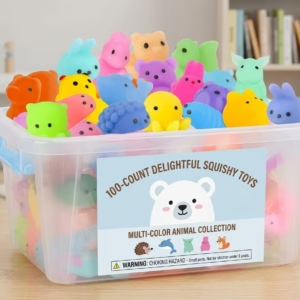
The inventory consists of
We are looking to connect with wholesalers, distributors, retailers, and other qualified businesses interested in purchasing substantial quantities.
Would this inventory be relevant to your current purchasing needs?
Best regards,
[Your Name and Company]
Personalize the message for each business, contact the appropriate purchasing representative, and follow applicable email marketing and privacy requirements. Avoid sending indiscriminate bulk messages that are likely to be ignored or flagged as spam.
5. Use LinkedIn to Reach Purchasing Managers and Distributors
LinkedIn can be useful for identifying professionals involved in wholesale purchasing, retail procurement, inventory management, and distribution.
You do not need to purchase an expensive advertising campaign to begin using the platform. You can research relevant companies, identify purchasing professionals, build legitimate business connections, and share information about your available inventory.
Search for relevant job titles such as purchasing manager, wholesale buyer, procurement manager, merchandise manager, inventory buyer, and distribution manager.
Your outreach should focus on business relevance rather than sending the same promotional message to everyone.
For instance, a buyer responsible for discount home goods may be interested in a large lot of kitchen products but have little interest in apparel. A distributor specializing in personal care products may be a better prospect for a beauty liquidation than a general merchandise retailer.
You can also publish a concise post describing the inventory, including its quantity, condition, location, and wholesale purchasing terms. Ask interested businesses to request the manifest or contact you for additional details.
Consistent, targeted networking can create opportunities beyond the initial sale because a buyer who purchases one lot may become a recurring customer for future inventory.
6. Turn Your Existing Business Network Into a Sales Channel
Before spending money to reach strangers, consider the businesses and contacts already within your network.
If you have previously sold merchandise to wholesalers, retailers, exporters, or liquidation buyers, contact them first. Existing customers already understand your business and may be more willing to review another inventory opportunity.
Even if a previous buyer cannot purchase all 100,000 units, that buyer might introduce you to other businesses in the same industry.
You can also approach freight companies, warehouse operators, wholesale brokers, commercial auctioneers, and other professionals who regularly interact with businesses buying or selling inventory.
Some may know potential buyers for your specific product category. Others may be willing to facilitate introductions or assist with a transaction under an agreed commission arrangement.
Establish the terms clearly before engaging an intermediary. Confirm whether compensation is based on the total transaction value, the quantity sold, or another agreed measure. Verify the intermediary’s experience and references before sharing confidential commercial information or relying on promised buyers.
A trusted network can be particularly valuable when inventory must be sold quickly or when a seller needs to reach buyers in several geographic markets.
7. Offer Different Lot Sizes to Reach More Buyers
Not every wholesale buyer has the financial resources, warehouse capacity, or customer demand to purchase 100,000 units.
A national distributor might be interested in the entire inventory, while a smaller retailer may only be able to purchase 500 units.
Offering flexible lot sizes can expand your pool of potential customers.
Consider this hypothetical inventory of 100,000 units:
| Buyer type | Example quantity | Number of buyers needed |
|---|---|---|
| Large distributor | 25,000 units | 1 |
| Regional wholesaler | 10,000 units | 2 |
| Mid-sized retailer | 5,000 units | 5 |
| Smaller reseller | 1,000 units | 10 |
These quantities illustrate one possible allocation, not a prediction of actual demand. In this example, the entire inventory would be distributed across 18 transactions.
Selling smaller lots can attract more buyers, but it may also increase handling, packaging, storage, and transportation costs. Larger transactions may require fewer sales efforts but usually demand competitive bulk pricing.
The right structure depends on your deadline, cash requirements, storage expenses, and the purchasing capacity of your target market.
If you prefer to sell everything to one buyer, advertise the complete lot as a take-all opportunity while keeping a separate list of qualified buyers who might purchase smaller quantities if the full-lot offer does not generate sufficient interest.
8. Use Social Media Groups and Industry Communities
Relevant online communities can help you reach businesses already interested in wholesale and liquidation merchandise.
Facebook groups, LinkedIn communities, and industry-specific forums may include discount store owners, online resellers, flea market vendors, liquidation buyers, and small wholesale distributors.
Before posting, review each community’s rules and confirm that commercial inventory offers are permitted.
Your post should clearly communicate the nature of the merchandise, total quantity, price, condition, location, and purchasing requirements. Use genuine product photographs rather than generic stock images, and make the inventory manifest available to serious prospects when appropriate.
A post announcing 100,000 units of brand-new household merchandise at a clearly stated bulk price is more useful to a wholesale buyer than a vague message saying that a large liquidation deal is available.
Be prepared to answer questions about product condition, minimum orders, shipping arrangements, payment terms, and whether buyers can inspect the inventory.
Take precautions when dealing with unfamiliar prospects. Verify buyer identities where appropriate, use documented agreements, and establish secure payment and delivery procedures before releasing merchandise.
9. Work With Wholesale Brokers and Liquidation Specialists
Sometimes the fastest way to find buyers is to work with someone who already has established relationships with them.
Wholesale brokers and liquidation specialists may maintain contact lists of distributors, exporters, retailers, and other buyers seeking particular types of inventory.
Depending on the arrangement, a broker may market your merchandise, introduce prospective purchasers, negotiate terms, or help coordinate a bulk transaction.
This can reduce the amount of time you spend researching prospects and conducting outreach yourself. However, broker services are not necessarily free, and no reputable intermediary should be assumed to guarantee a sale.
Before signing an agreement, clarify:
- The commission or service fee.
- Whether the arrangement is exclusive.
- Who controls the buyer relationship.
- How long the agreement remains in effect.
- Whether the broker has experience selling comparable merchandise.
- What documentation and payment protections apply.
Compare the cost of professional assistance with the cost of storing the inventory, managing sales yourself, and potentially missing your liquidation deadline.
For a large inventory with a limited selling window, a reasonable commission may be preferable to an extended period of storage and uncertainty.
10. Create a Wholesale Offer That Gives Buyers a Reason to Act
Finding potential buyers is only half the challenge. Your offer must also make commercial sense to them.
Wholesale customers are not purchasing merchandise simply because you need to sell it. They want products they can resell profitably, distribute efficiently, or use to meet an existing business need.
Your pricing should reflect the merchandise’s condition, current market demand, competing offers, purchase quantity, and the buyer’s expected selling costs.
Avoid relying exclusively on original retail prices to justify your asking price. Buyers may compare your inventory against current retail promotions, competing wholesale lots, and liquidation deals from other suppliers.
You can make your offer more attractive by providing transparent information, quantity-based pricing, reliable documentation, convenient pickup arrangements, and a clear description of the products included.
For example, a seller offering 100,000 units could provide one price for the entire lot and separate prices for smaller quantities. The full-lot price might be lower per unit because it allows the seller to move the inventory in a single transaction and reduce handling expenses.
The objective is to find a price that gives the buyer enough potential margin while allowing you to meet your own financial requirements.
11. Prepare for Buyer Questions Before They Arrive
Large inventory transactions involve more due diligence than ordinary retail sales. Serious buyers may want to inspect the merchandise, verify the quantities, review the manifest, confirm the product condition, and understand the shipping arrangements.
Preparing these details in advance can shorten the sales process.
Create a digital inventory package containing:
- A complete manifest or available inventory breakdown.
- Product photographs and packaging images.
- Total quantities and case-pack information.
- Product condition and any known defects.
- Original retail values or clearly labeled estimates.
- Your asking price and minimum purchase quantity.
- Warehouse location and available inspection arrangements.
- Pickup, freight, and loading requirements.
- Applicable resale, brand, safety, or marketplace restrictions.
For customer returns or mixed-condition lots, explain what is known and what remains unverified. Transparency helps qualified buyers assess the risk and reduces the likelihood of disputes after the sale.
If the inventory is particularly valuable, consider documenting the condition and quantity during inspection and including the agreed terms in a written purchase contract.
12. Follow Up Strategically Instead of Increasing Your Advertising Budget
Many potential wholesale buyers will not respond to an initial message. They may be busy, waiting for purchasing approval, or simply not need the merchandise at that moment.
A structured follow-up process can help you identify genuine opportunities without increasing your advertising expenditure.
After your initial outreach, follow up after a reasonable interval with a brief message that adds useful information. You might share the manifest, clarify the price for a larger order, provide additional photographs, or explain when the inventory will be available for inspection.
Keep track of which companies have responded, requested documentation, negotiated prices, or declined the offer. Prioritize prospects that have demonstrated genuine purchasing interest.
If buyers repeatedly object to the price, investigate whether the asking price is competitive. If they express concern about product condition, improve the documentation or arrange an inspection. If shipping costs are the main obstacle, explore alternative freight arrangements.
The feedback you receive from the market can help you adjust your sales strategy more effectively than simply spending more money to promote an offer that may need improvement.
A Practical 30-Day Plan for Selling 100,000 Units
If you need a structured approach, the following plan can help you organize your efforts while keeping paid advertising optional.
1
Days 1–5: Prepare the inventory
Verify quantities, organize the manifest, photograph the products, establish pricing, calculate your minimum acceptable offer, and identify any resale restrictions.
2
Days 6–12: Build a qualified buyer list
Research distributors, discount retailers, wholesale buyers, exporters, and resellers that match your merchandise. Prepare personalized outreach messages and publish relevant wholesale listings.
3
Days 13–20: Contact buyers and negotiate
Send targeted emails, make appropriate business calls, connect with purchasing professionals, follow up with interested prospects, and arrange inspections where practical.
4
Days 21–30: Convert interest into orders
Compare offers, verify buyers, finalize payment and delivery terms, document agreements, and allocate inventory according to confirmed orders.
This is a suggested workflow, not a guarantee that the inventory will sell within 30 days. The actual timeline depends on product demand, price, location, condition, and the size of the buyer network.
If the deadline is firm, begin contacting buyers immediately and consider parallel outreach through multiple suitable channels.
The Bottom Line: You Need the Right Buyers, Not Thousands of Advertisements
Selling 100,000 units of merchandise does not automatically require a massive advertising budget. In many wholesale and liquidation situations, the better approach is to identify a relatively small number of qualified business buyers and present them with a well-documented, competitively priced offer.
Start with your existing contacts, approach discount retailers and distributors directly, use relevant wholesale marketplaces, network through professional communities, and consider a broker if the transaction warrants it. Offer sensible lot sizes, respond quickly to buyer questions, and maintain a clear record of every prospect and negotiation.
Most importantly, understand the inventory before attempting to sell it. The product category, condition, current market value, and realistic resale margin will determine which buyers are suitable and what price you can reasonably expect.
For businesses that need to move large quantities of inventory, the goal is not to reach the most people. It is to reach the buyers who have the capacity, demand, and financial resources to purchase the merchandise. With a targeted sales strategy and reliable inventory information, you can pursue substantial wholesale transactions without making expensive advertising your first move.